Amazing, reality bending stories
Jungian & Alchemical imagery

Jungian Writing Series

Louise Blackwick - The Jungian Writing Series

The Jungian Writing Series explores what happens when writing is treated not only as a craft, but as a psychological process. Drawing on the work of Carl Jung, these essays examine how archetypes, the shadow, symbols, the unconscious shape the stories we tell, and the way we tell them. The focus is not on theory for its own sake, but on how Jungian ideas can deepen character, clarify theme, and bring greater coherence and resonance to narrative work.

Each article in the series takes one Jungian concept and approaches it through the lens of writing practice and storytelling experience. Together, they form an evolving body of work for writers who are interested in meaning, pattern, and psychological truth beneath the surface of technique. The Jungian Writing Series is available exclusively on Patreon for members of the Sage tier. The list below links directly to each article on Patreon, and will continue to expand as new pieces are added.

#1

Introduction to Jungian Writing – Why I chose Carl Jung to guide my storytelling
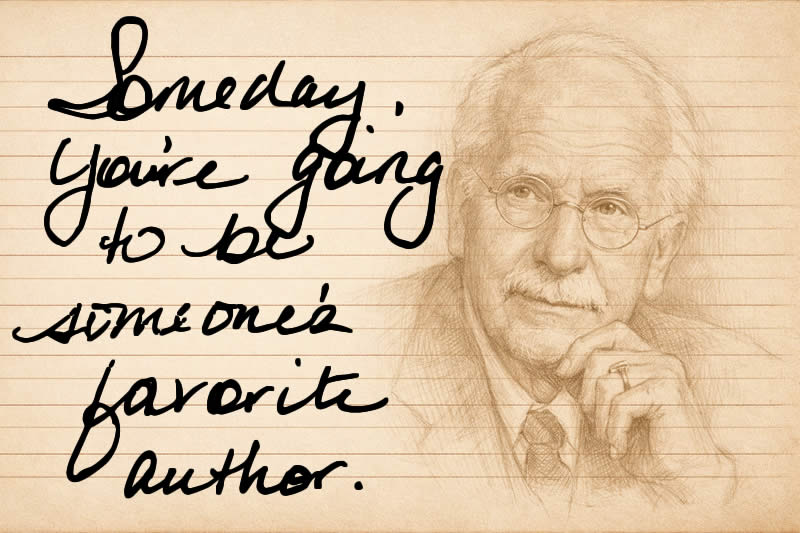
I would like to start off my Jungian Writing series by explaining who Carl Jung was, why his work matters and why his ideas have grown to have such a huge influence on my writing.
#2

The Four stages of Alchemical Transmutation

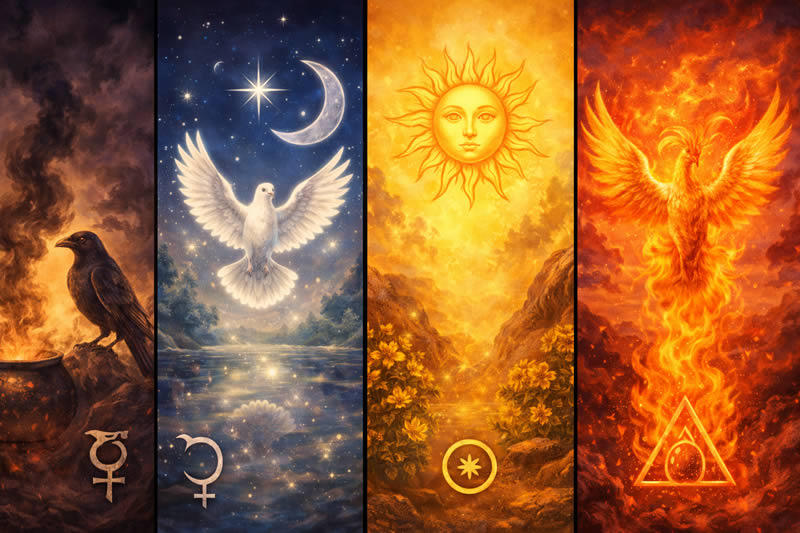
We are going to focus on the ancient practice of Alchemy and discuss in great detail the four stages of alchemical transmutation, also known as the Magnum Opus. Since the practice of alchemy is similar to the process of writing great stories or just creating Art in general, we are also going to apply alchemical principles to our art in order to give it a more “timeless” feel.

#3

Nigredo: the First Stage of Alchemical Transmutation

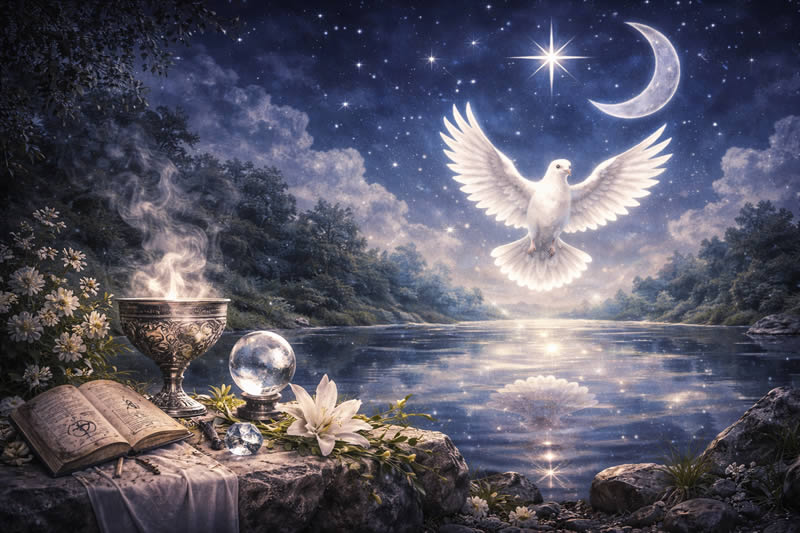
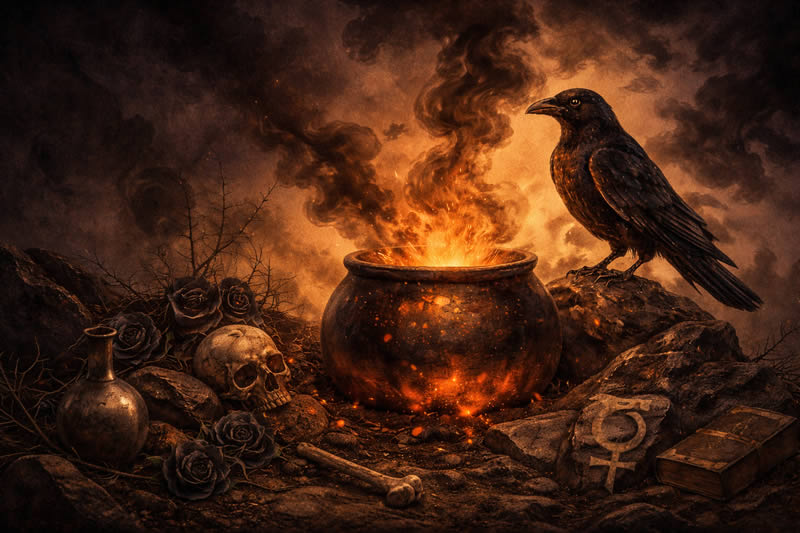
In alchemy, nigredo is the first step on the path of creating the lapis philosophorum, otherwise known as the philosopher’s stone. Nigredo can be translated as “blackness” or “the Blackening”, and describes the process of melanosis, putrefaction and decomposition. While little is known about the exact chemical process behind the Magnum Opus, hermetic documents such as the Tabula Smaragdina equate the nigredo to the “undoing” of the prime matter (prima materia), the starting material of the Great Work.

#4

Albedo: the Second Stage of Alchemical Transmutation

Albedo, also known as leucosis, is the second stage of the Great Work, after nigredo and before citrinitas and rubedo. The word “albedo” has its origin in Latin, where it translates as “whiteness” or “whitening”. Just like nigredo, albedo furthers transmutes the prima materia (the First Matter) towards a purer and more refined state of matter.

#5

Citrinitas: the Third Stage of Alchemical Transmutation

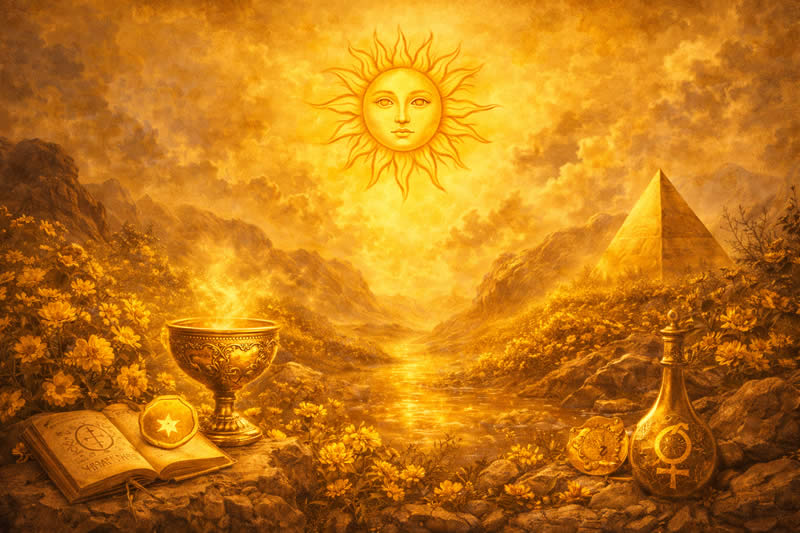
In Alchemy, Citrinitas comes from the Greek word “xanthosis”, which stands for yellow or yellowing. Citrinitas is the third stage of the magnum opus, the transmutative process through which alchemists have attempted to create the Philosopher's Stone. The Yellow Stage is associated with the transmutation of silver into gold, also referred to as “the yellowing of the lunar consciousness.” In alchemical philosophy, Citrinitas stood for the emergence of the “solar light” intrinsic to one’s being, that trumps the silver “soul light” associated with the moon.
#6

Rubedo: the Fourth Stage of Alchemical Transmutation

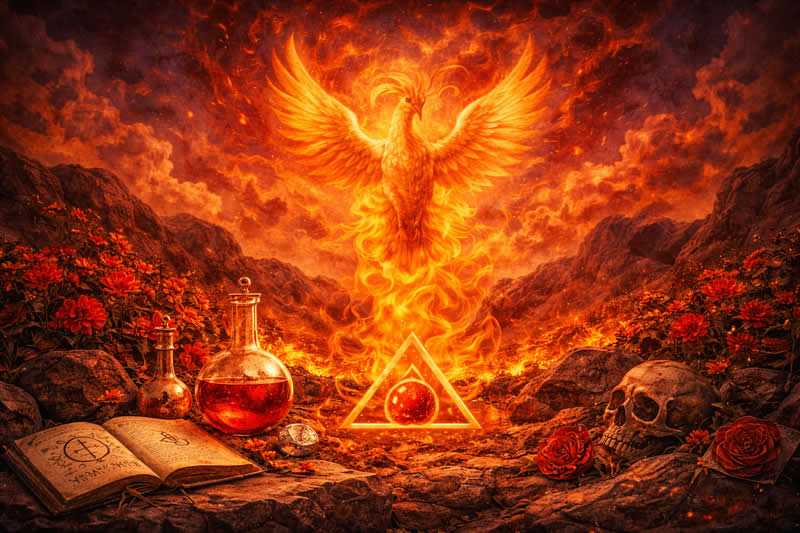
Rubedo comes from the Latin word for “reddening” or “redness”. In alchemy, Rubedo marks the fourth and final stage of the Magnum Opus, also known as the Red Stage, the reddening or iosis, from the Greek word for red. The presence of the colour red in an alchemical compound was associated with alchemical success and the completion of the Great Work. A union of red and gold, of Rubedo and Citrinitas, were connected with the creation of the Philosopher’s Stone.

#7

The Philosopher's Stone

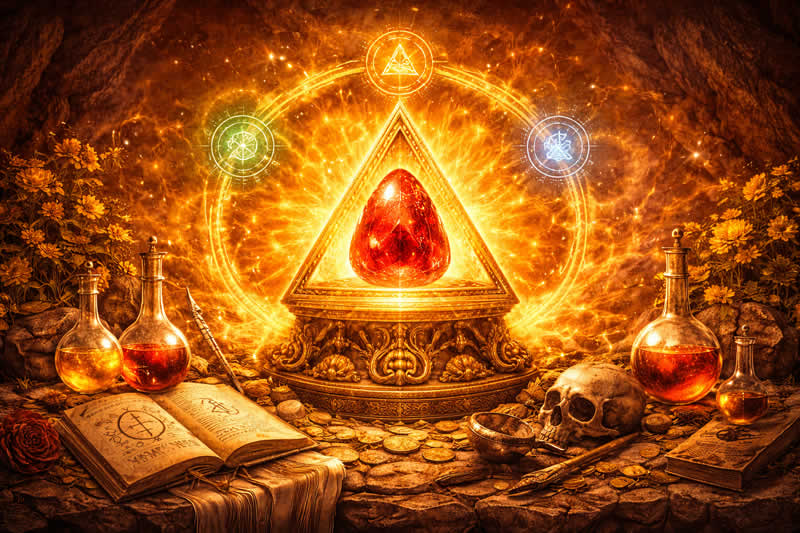
The Philosopher's Stone is a concept that has been explored and interpreted in various ways throughout history. It is seen as a symbol of transformation in alchemy, a psychological process in Jungian psychology, and a literary device in popular English fiction. In alchemy, the Philosopher's Stone was believed to be a substance that could transmute base metals into gold, and was seen as a symbol of the transformation of the self. It was described as crimson-red in colour, often imitating the appearance of crystalized blood, and able to imbue both Chaos and Order (the union of opposites). Moreover, its physical description was often compared to the late stages of Rubedo.

#8

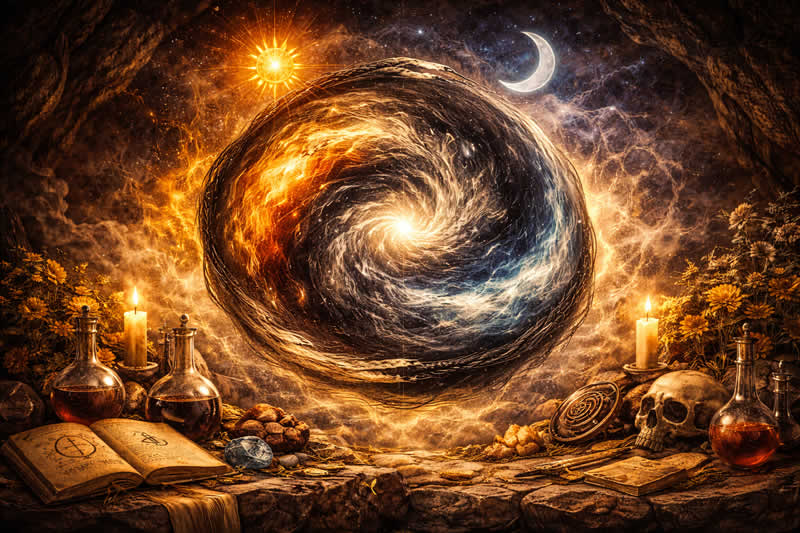
Round Chaos

Round chaos is a concept from alchemy and Jungian psychology that refers to the primordial state of the universe before the separation of opposites. Round chaos is found in both transmutative alchemy and Jungian psychology. At its core, it represents a state of chaotic disintegration that must be experienced in order to achieve a higher level of unity and wholeness. This state is often depicted as a swirling mass of undifferentiated matter that contains the potential for all forms of life and consciousness.

#9

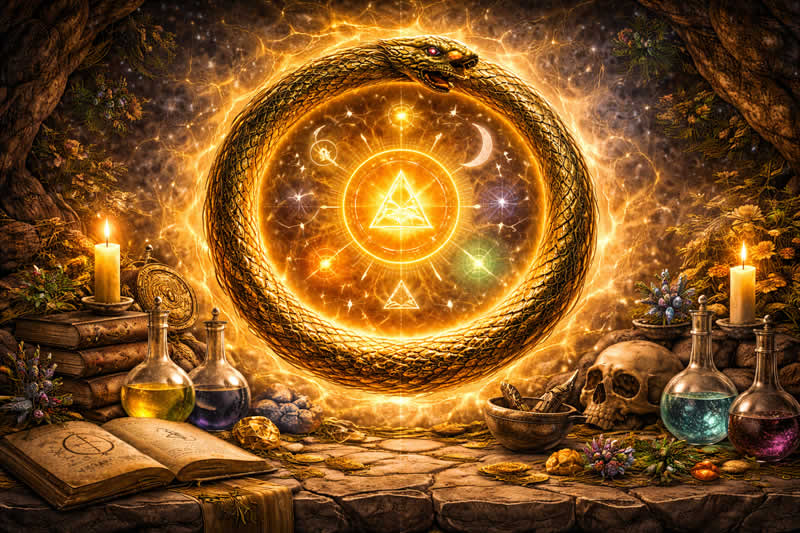
Ancient Symbols: the Ouroboros

We are going to discuss a symbol that is as powerful as it is ancient: the Ouroboros. This old symbol, when fittingly employed in storytelling has the ability to create stories that not only have extremely wide appeal with audiences, but transcend the limits of their conceptual sphere.

#10

Synchronicities: the Jungian patterns of meaningful coincidence

Synchronicity is a concept the Swiss psychoanalyst Carl Jung developed to describe “circumstances that appear meaningfully related, but lack a causal connection”.

#11

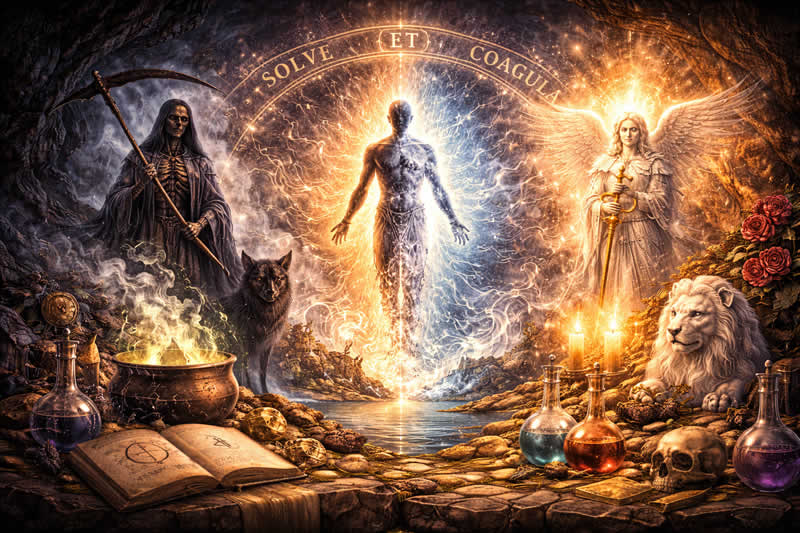
Solve et Coagula

There’s a phrase that echoes through the chambers of both Hermetic philosophy and Jungian depth psychology: solve et coagula—"dissolve and integrate." It’s an alchemical maxim, a mystical formula, and a literary compass all in one.

#12

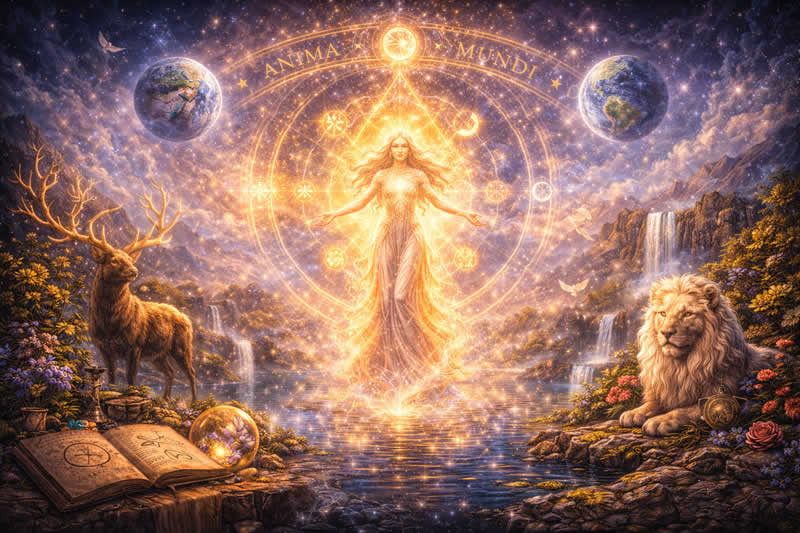
Anima Mundi, the Living Soul of the World

In creative writing, Anima Mundi can become an engine for fantasy and sci-fi: it turns setting into “psyches”, ecology into “myth”, technology into “ritual”, and plot into “alchemical transmutation”.

#13

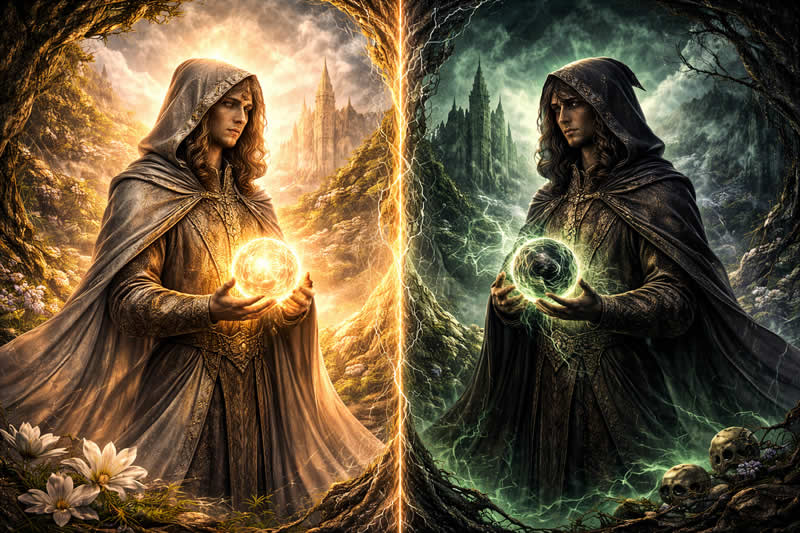
Exploring the Theme of the Doppelgänger in Writing

The theme of the doppelgänger, or the double, has long fascinated writers and audiences alike, serving as a potent literary device that explores the complexities of identity, duality, and the human psyche.

#14

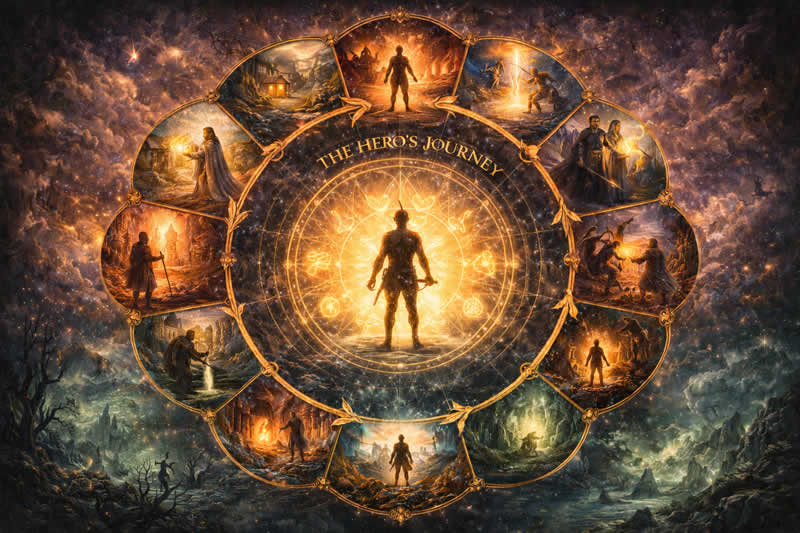
The power of circular narrative: Dan Harmon’s Story Circle from Joseph Campbell's monomyth

The art of storytelling has captivated human imagination for centuries, reflecting our innate desire to explore the depths of the human experience. Joseph Campbell, a renowned mythologist and writer, introduced the concept of the "monomyth" or “the hero's journey”, a narrative structure that has become a foundational framework for crafting compelling stories.

#15

The Power of Symbols: 14 best practices for using symbolism in writing

Symbolism, the art of imbuing words with deeper meaning, transforms ordinary elements into potent carriers of metaphorical significance. When skillfully employed, symbols transcend the confines of words and resonate deeply with readers, imparting layers of meaning and emotion to a narrative.

#16

10 Best Practices for Using Jungian Symbolism in Fantasy and Science-Fiction Narratives

Jungian symbolism, rooted in Carl Jung's archetypal theory, provides writers in the realms of fantasy and science fiction with a powerful tool to explore the depths of the human psyche. In this post, we'll delve into ten best practices for incorporating Jungian symbolism into your stories, drawing inspiration from iconic works in literature and film.

#17

10 Best Practices for Using Alchemy in Fantasy and Science-Fiction Narratives

We will explore ten best practices that you can use to incorporate alchemical principles into your fantasy and science-fiction stories. Drawing inspiration from iconic works in literature and film, these practices will guide writers and screenwriters in crafting stories that resonate with the intrigue and magic of alchemical traditions. Let us waste no more time and get started!

#18

How to create that “instant classic” vibe

There’s something unmistakable about a classic. You know the feeling. You pick up a book, step into a film, get drawn into a game—and suddenly, something resonates deeper than the story itself. It pulls from the marrow of human experience, like a half-remembered dream or an echo from mythic time. That "instant classic vibe" feels like it's always existed, like this story was merely biding its time, just waiting for us.
#19

Jungian Archetypes (introduction)

Archetypes are fundamental patterns of human nature, appearing in myths, legends, and stories across all cultures and eras. They tap into something primal, something every reader instinctively understands. Jung’s theories extend beyond archetypes into concepts such as individuation, the process of integrating different parts of the self, and synchronicity, the meaningful coincidences that shape our lives.

#20

The Archetype of the Innocent

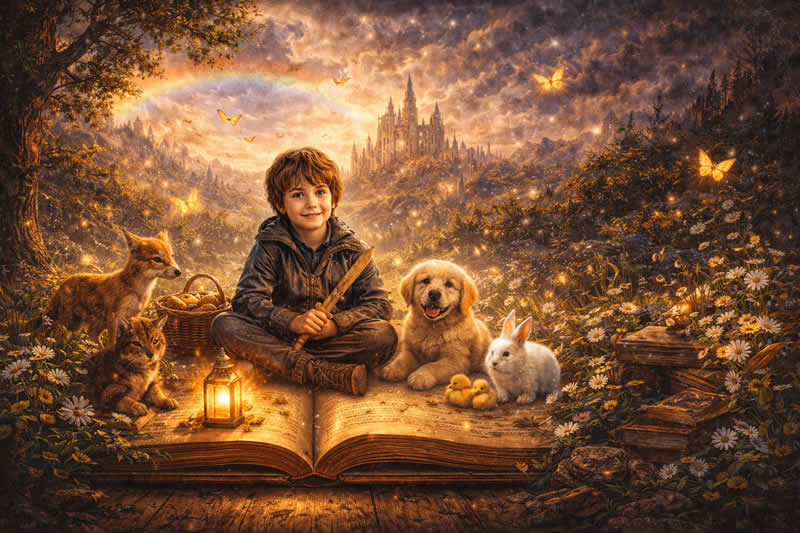
The Innocent, in Jungian terms, is a fundamental figure within the collective unconscious, representing purity, naïveté, and an undistorted connection to the world. The literary significance of this archetype is profound, as it serves as both a vessel for transformation and a mirror reflecting deeper aspects of the psyche.

#21

The Explorer or Seeker Archetype

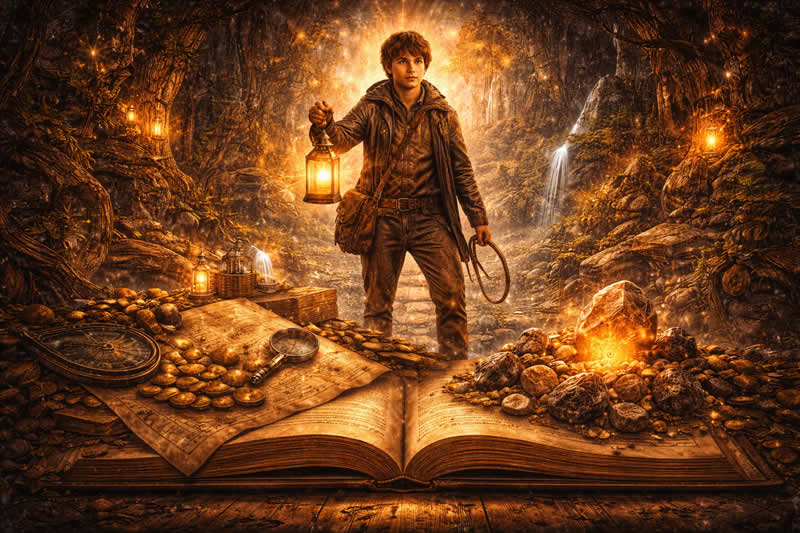
In Jungian psychology, the Explorer is associated with the Seeker archetype, one of the twelve primary psychological patterns that reside in the collective unconscious. The Seeker longs for new experiences in order to better understand the self and the world. This figure is often cast away from home by some external or internal call – what Joseph Campbell termed "the call to adventure" in The Hero with a Thousand Faces.

#22

The Archetype of the Sage

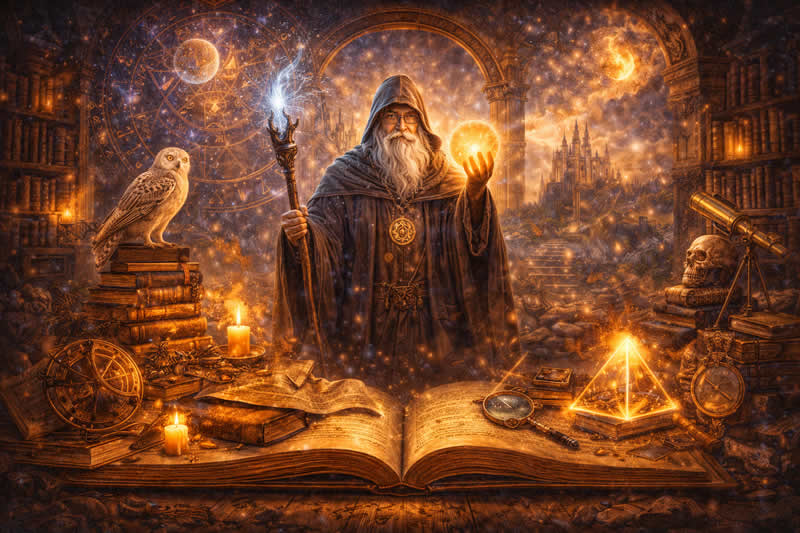
The Sage represents wisdom, knowledge, and insight. She is the truth-seeker, the one who peels away illusion and points the hero toward revelation. Traditionally, she serves a guiding role — think Gandalf in The Lord of the Rings, or Yoda in Star Wars. But in deeper interpretations, the Sage can also symbolize the consequences of knowing too much, or the burden of truth in a world ruled by chaos (Lady Saah in the Vivian Amberville series).

#23

The Archetype of the Hero

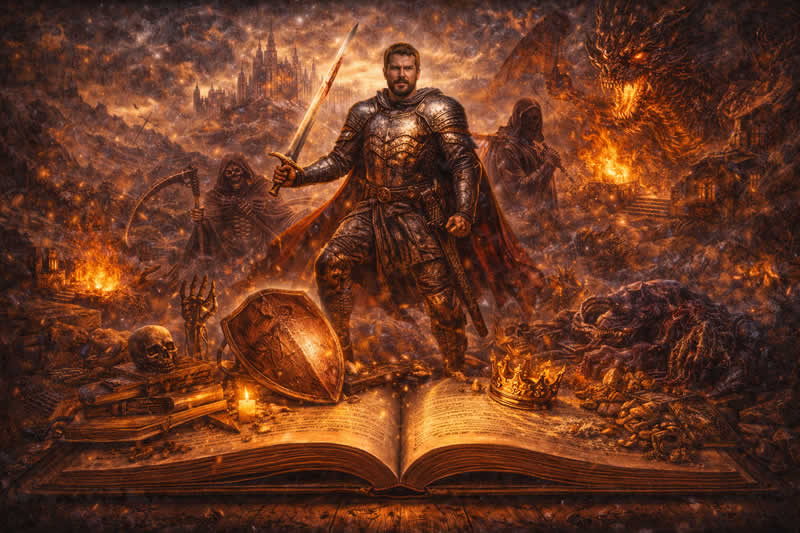
At its core, the Hero Archetype is not merely a character type; it is a psychological and spiritual process. The hero is the vessel through which we explore the Self. As Jung posited, every individual must undergo individuation – the process of integrating the conscious and unconscious aspects of the psyche – to become whole.

#24

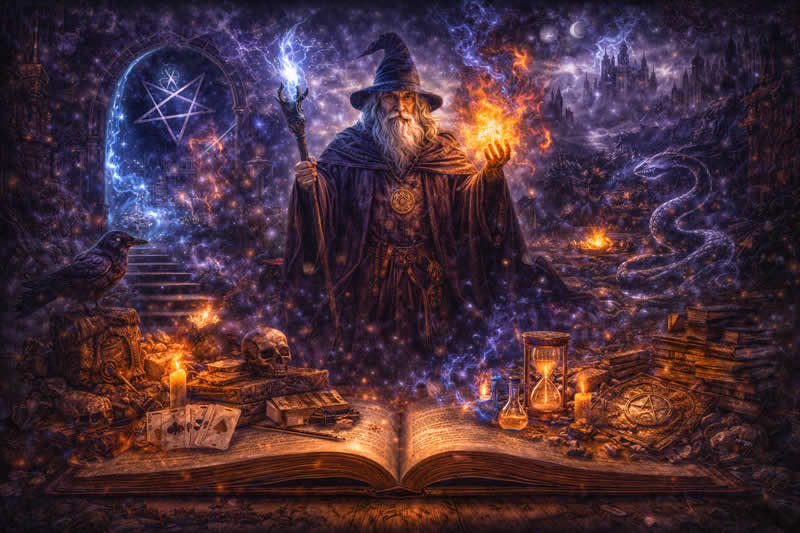
The Archetype of the Magician

The Magician archetype is a vessel; of knowledge, of the unconscious, of hidden truths. He embodies what Jung might describe as the archetype of the Self in its potential for transformation. He is deeply involved in synchronicity, in the transmutation of the prima materia, and in guiding others toward shadow integration.

#25

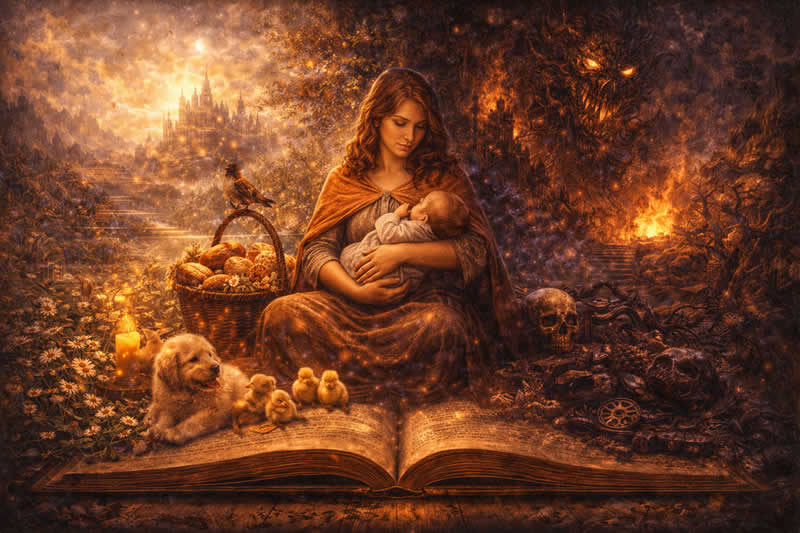
The Mother Archetype

When I sit down to write about the Mother Archetype in literature, I am inevitably drawn into the same mystery that has fascinated mythmakers, psychologists, and philosophers across millennia: the Mother as both giver and taker of life, as womb and tomb, as nurturer and destroyer.

#26

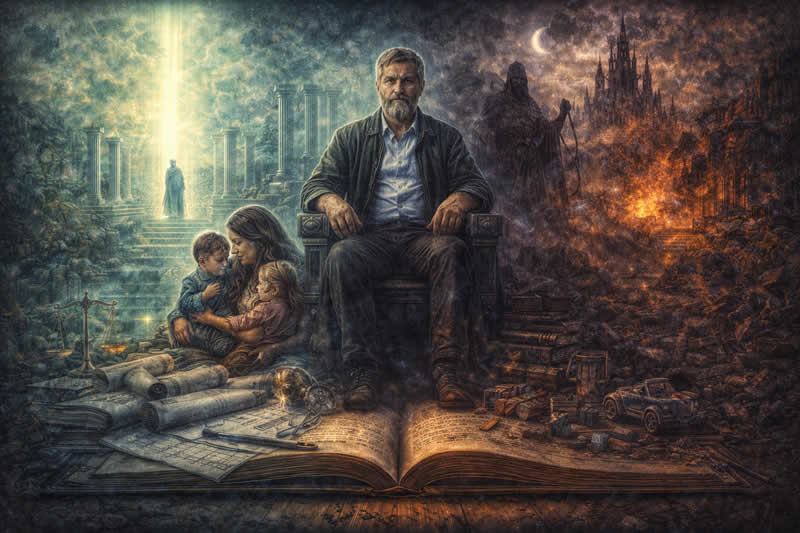
The Father Archetype

The Father represents law, structure, authority, consciousness, and boundary – the very forces that allow the ego to stand apart from the unconscious. Yet in Hermetic and alchemical symbolism, that same principle can both illuminate and oppress, depending on whether it serves the Great Work of transformation or becomes fixated in rigid control.

#27

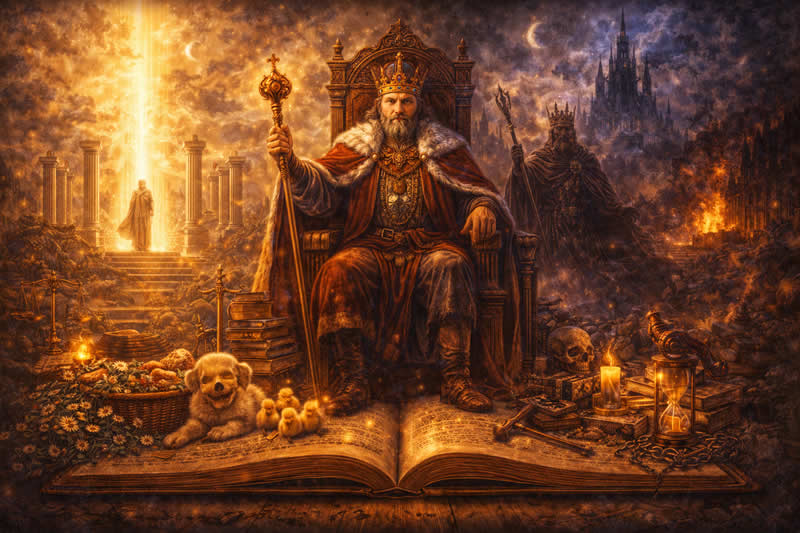
The Ruler Archetype

The Ruler is not merely a king, queen, emperor, or political figure; it is the symbolic embodiment of order, control, and sovereignty. Whether benevolent or tyrannical, the Ruler manifests the human desire to shape reality, to impose structure and order upon chaos, and to be the master of one's domain.

#28

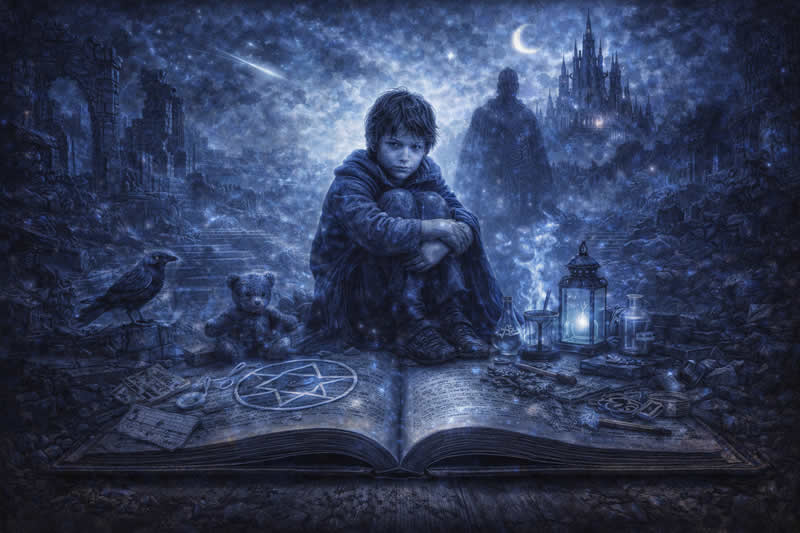
The Orphan Archetype

The Orphan Archetype is more than the parentless child. It embodies a universal archetype – the soul cast adrift, the unwanted, the uninitiated. In both life and literature, the Orphan is a primal figure who carries inside them the silent echo of exile. Their myth is ancient and recurring, rooted in our deepest psychic structures.

#29

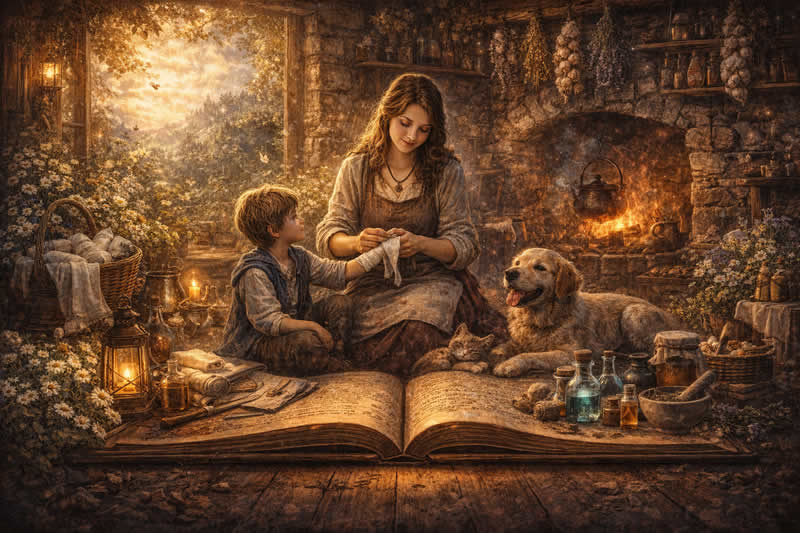
The Caregiver Archetype

The Caregiver is not just a mother or nurse – they are an ecosystemic node: keeper of home, culture, healing, and moral stability. They stabilize chaos so heroes can quest, scientists can experiment, and societies endure.

#30

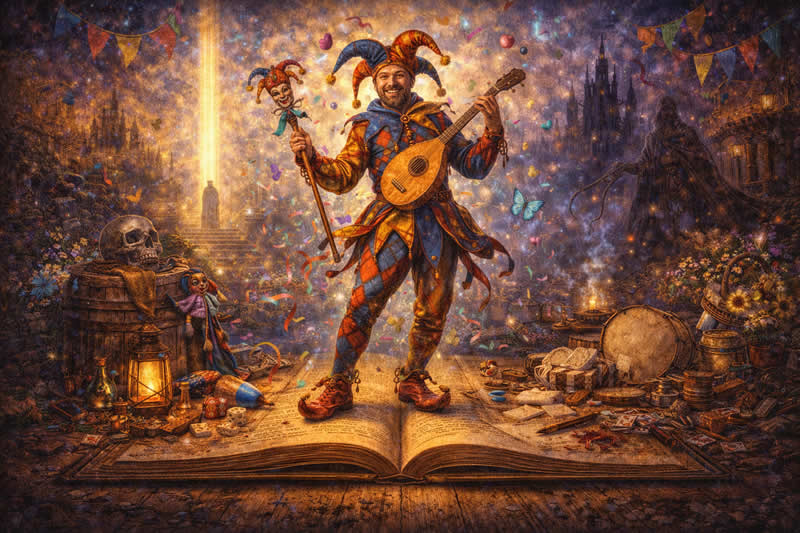
The Jester Archetype

The Jester archetype operates at the paradoxical intersection of wisdom and absurdity. Often mistaken for a buffoon, the Jester holds the rare ability to speak truth under the guise of humor, mockery, and play. This is no small feat.

#31

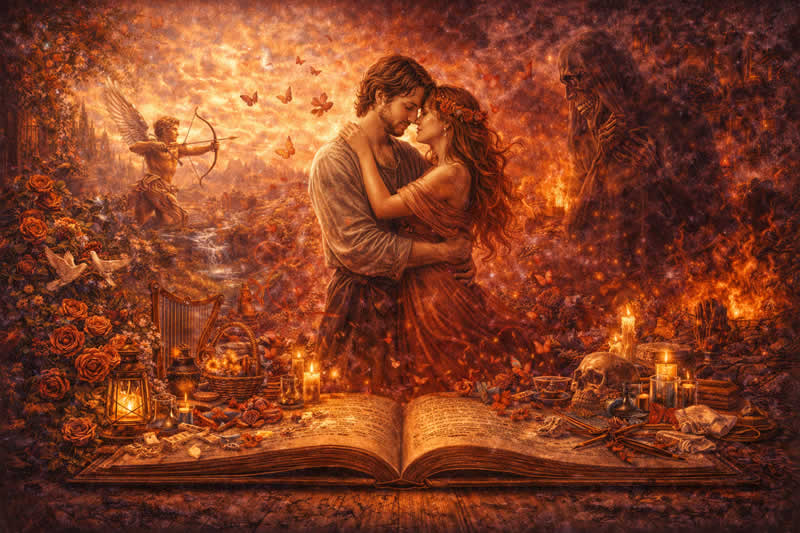
The Lover Archetype

The Lover is often relegated to the domain of romance: star-crossed hearts, physical intimacy, and emotional vulnerability. But over time, I came to understand that the Lover is so much more than the romantic partner. It is the force of connection, passion, unity, and embodiment.

#32

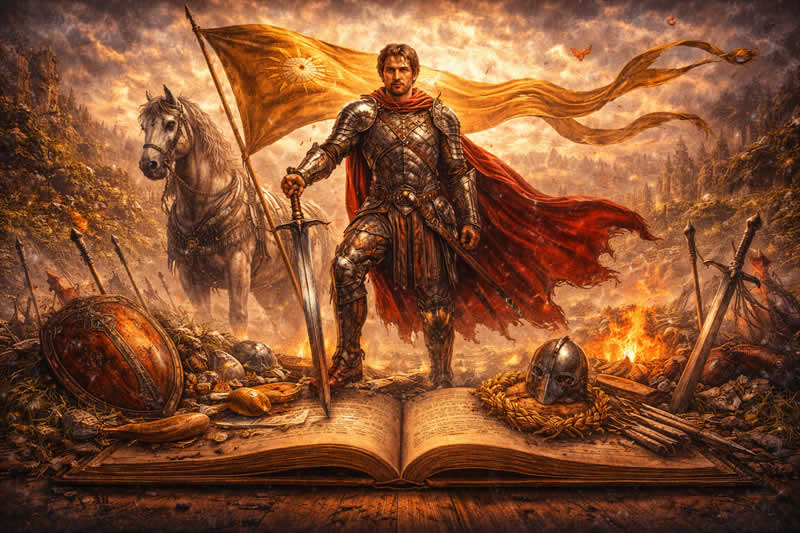
The Warrior Archetype

The Warrior archetype is so much more than a soldier or a fighter. They are an alchemical kettle that facilitates soul transmutation. A Warrior is a vector for transformation; a primal force, embodying courage, resolve, discipline, honour, duty and sacrifice.

#33

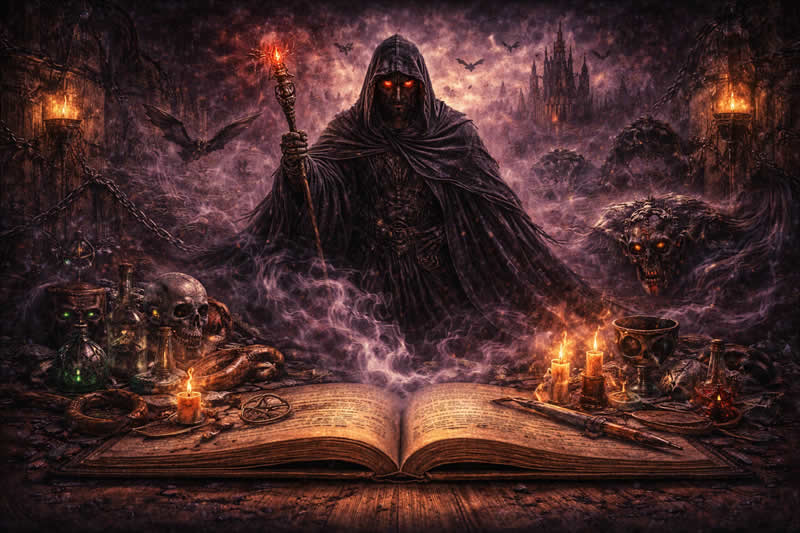
The Shadow Archetype

Carl Jung’s concept of the Shadow Archetype is perhaps one of the most vital elements of character and narrative development. It is the “dark side” of the psyche – composed of repressed desires, flaws, fears, traumas, and unacknowledged truths. According to Jung, unless we integrate the Shadow into consciousness, it rules us from the unconscious, often projecting itself outwardly onto others as evil. It is not just the villain. It is the villain within – and it wants to be seen.

#34

The Rebel Archetype

The Rebel is not merely a character who breaks rules for the sake of spectacle; he is a living paradox: antagonist and savior; destroyer and necessary renovator.

#35

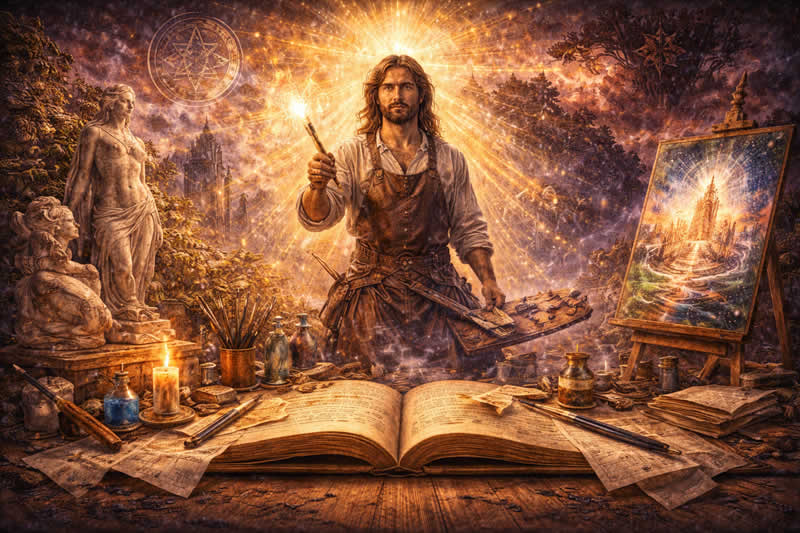
The Creator Archetype

The Creator Archetype is the psychic force behind invention, artistry, world-building, metaphysical engineering and the structuring of cosmos from Chaos. They can be benevolent, malevolent, tormented, indifferent, messianic or false.

#36

The Animus Archetype

The animus, Jung’s term for the unconscious masculine within a woman, is a slightly old-fashioned concept that can be extremely useful to storytellers. It’s old-fashioned because Jung wrote in a different social era and because the language of “masculine” and “feminine” carries cultural freight. And yet, it is useful because, when handled thoughtfully, the animus helps writers dramatize inner conflict, projection, growth, and the thorny business of forming relationships to power, reason, and voice.

#37

The Anima Archetype New!

In Jungian psychology, the Anima is not merely the feminine figure appearing within the male psyche but a living image of the soul itself. She represents a bridge between consciousness and the unconscious, between Logos and Eros, between the known and the ineffable. Carl Jung described the Anima as the mediator of inner life, the one who carries meaning, depth, emotion, intuition, and relatedness, and who stands at the threshold where the ego encounters the vast interior world it does not yet understand.

#38

Prima Materia Coming soon!

#39

Eros Coming soon!

#40

Logos Coming soon!

#41

Coniunctio - Coincidentia Oppositorum Coming soon!

#42

Syzygy: the Union of Animus and Anima Coming soon!

#43

The Persona Coming soon!

#44

The Self Coming soon!

#45

Apotheosis Coming soon!

#46

The Sacred and the Profane Coming soon!

#47

Hierophanies (sacred omens) Coming soon!

Louise Blackwick's Newsletter

Receive monthly updates and notifications for new book releases. Sign up for Louise's newsletter!

Click here for more information

Louise Blackwick Newsletter sign up